Business Name: Manning Detail & Coatings
Address: 1812 W Sunset Blvd #30, St. George, UT 84770
Phone: (435) 572-0451
Manning Detail & Coatings
Manning Detail & Coatings is a mobile detailing and ceramic coating outfit that offers a shop, specializing in paint correction and ceramic coatings.
1812 W Sunset Blvd #30, St. George, UT 84770
Business Hours
Monday thru Sunday: 9:00am - 6:00pm
Facebook: https://www.facebook.com/manningdetail.coatings/ Instagram: https://www.instagram.com/manningdetailandcoatings/ YouTube: https://www.youtube.com/@manningdetailandcoatings
Water beading is the celebration trick. The genuine story with ceramic coating is how it changes your relationship with maintenance. If you run a car detailing organization, book mobile detail appointments on weekends, or merely obsess over a tidy day-to-day chauffeur, a well-installed ceramic layer redefines what "clean" looks like, how frequently you require to clean, and what your time is worth.
I have actually coated everything from work trucks that reside on gravel to black German sedans that sit under tough water sprinklers. The common thread is this: ceramic coating does not make a cars and truck bulletproof, however it makes wise habits drastically more efficient. The surface area gets slicker and more chemically resistant, dirt releases much faster, and the paint remains clearer over years, not weeks. That adds up to fewer aggressive washes, less abrasive correction, and a finish that resists the sluggish grind of daily use.
What ceramic coating really is, and why it acts the method it does
Ceramic finishes are liquid polymers, usually based upon silicon dioxide or hybrid blends with additional resins. When used to effectively prepped paint, they crosslink and form a thick, thin film measured in microns. Think about it as a tough, hydrophobic coat that bonds to the clear coat. It's not as thick as a paint security film, and it isn't a wonder shield versus rock chips, but it's greatly more resilient than wax or most sealants.
On a fresh covering, the contact angle of water is high, so liquid retreats into tight beads and sheets off with very little persuasion. More crucial than the bead is the low surface energy. Pollutants have a more difficult time anchoring themselves, and when they do hold on, they take less force to get rid of. That's the crux of maintenance transformation. The finish stacks the odds in your favor every time you touch the paint.
Claims of life expectancy differ. A consumer-grade finish might guarantee one to three years with modest care. Professional coatings can last 3 to five years or more if the underlying prep was comprehensive and the owner respects a sane wash routine. The precise number depends on environment, wash mediums, frequency of use, and how much abrasion the surface sees. I have consumers who wash weekly and get four years from a pro-grade item, and others who run automated brushes and cut that down to months.
Preparation chooses performance
No finish can fix swirls, water areas engraved into the clear, or oxidation. It locks them in. The surface area preparation is where the value is won or lost, and it's where knowledgeable car detailing techs separate themselves.
An excellent pre-coat workflow begins with a strip-down wash, iron cleaner, and tar remover, then a clay bar or artificial clay to release bonded pollutants. From there, paint correction brings clarity and flatness. Correction does not constantly indicate numerous heavy compounding actions. On a well-kept vehicle, a single-stage polish with a mid-cut pad can raise gloss and take out shallow spoiling without needlessly thinning the clear. The paint needs to be cleaned with a panel preparation solvent to get rid of polishing oils. Just when the surface is tidy and optically true do you apply the ceramic layer.
I have actually seen more headaches stemming from rushed prep than from the finishes themselves. If you're a mobile detail operator working in driveways, set boundaries for weather condition, dust, and direct sun. The coating needs time to flash and level. Windborne grit or blazing heat can undermine even a competent application.
The right expectations: protection without mythology
Ceramic coverings are not armor. They do not stop rock chips, deep scratches, or door dings. They are not magic versus water identifying if you leave mineral-laden droplets to bake in the sun. What they use is meaningful resistance to chemical etching, UV fade, oxidation, and long-term staining from organic fallout. Bugs, tar, and bird droppings still require prompt attention, but they eliminate more cleanly when a coating is present.
Good coatings do include quantifiable hardness, which helps withstand light spoiling from careful washing. That stated, even coated paint will swirl if you grind dirt into it with poor method. The finishing buys you margin, not authorization to be careless.
How a finishing modifications weekly maintenance
The everyday difference shows up at the hose. Dirt rinses off more easily, and foam clings uniformly. You can clean with less passes and lighter pressure. Drying, which is where many people inflict micro-scratches, gets simpler because water evacuates readily. With a strong blast from a blower or the best drying towel, you touch the paint less.
A well-kept covered car can go 2 to 3 times longer between full washes without looking disregarded. If you log highway miles or park outdoors, you still require routine care. The finish slows the accumulation of grime and makes it kinder to remove, however it will not conceal neglect.
Here is a succinct regimen that has actually worked for numerous my clients over the years:
- Pre-rinse thoroughly to eliminate loose grit, then use a quality pH-neutral shampoo and a soft wash mitt. Work from leading to bottom, turning the mitt often. Use a devoted wheel cleaner safe for the wheel finish, and different brushes so brake dust never ever touches paint. Rinse well, then utilize a blower to evacuate standing water from mirrors, badges, and trim. Follow with a tidy, luxurious drying towel and a light drying aid if needed. Spot treat tar or heavy bugs with a safe eliminator instead of scrubbing them through a wash mitt. Every couple of months, apply a coating-compatible topper or spray sealant to revitalize slickness and hydrophobics.
That last action isn't a band-aid for a failing coating. It's a lubricant and booster that makes each wash safer and extends the feel you liked on day one.
The economics: time, product, and paint preservation
For many owners, the appeal of ceramic coating is time cost savings. A common wash on a layered vehicle frequently drops from 90 minutes to 45, specifically if you utilize a blower and skip aggressive scrubbing. That accumulates over a year. For a mobile detail operator, faster upkeep translates to more appointments each day or more comprehensive service for the exact same time budget.
There is likewise a financial case in paint preservation. Each heavy correction eliminates clear coat. If a coating keeps you from cutting the paint every year and allows you to polish lightly every couple of years rather, the surface will last longer. In other words, coatings minimize your dependence on abrasive correction as a maintenance tool. They let you keep the gloss you paid for at the preliminary correction instead of recutting it repeatedly.
The upfront cost typically consists of a meticulous multi-stage preparation. That expense is not simply the coating bottle, it's the labor and ability that make the finish appearance appropriate and last. Skimping on prep to conserve money is like painting over a filthy wall. It will look appropriate on delivery and disappoint six months later.

Coated versus uncoated maintenance: a useful comparison
On uncoated paint that lives outdoors, you rapidly face a cycle of heavier contamination, more aggressive chemicals, and regular clay sessions. Touching the paint regularly with more pressure is precisely how marring collects. Waxes and sealants help, but they tend to fall off under extreme sun and frequent washing, particularly with more powerful soaps.
With ceramic coating, you can use milder soaps for regular washes, and many bonded contamination releases with a spray of iron remover every quarter or 2 instead of a full clay. The vehicle stays presentable longer after rain or dust since dirt has a hard time to stick. That indicates fewer emergency situation washes before events and less aggravation during pollen season.
I keep a black day-to-day chauffeur in a city garage with open sides. Pre-coating, I cleaned weekly and still fought dust buildup. Post-coating, I can often stretch to 10 days, and a quick contactless pre-rinse plus foam gets rid of most of the movie. The finish looks much deeper because the substrate is smoother from the initial correction, and the finishing keeps it from deteriorating as quickly.
Where finishes shine, and where they struggle
Coatings prosper on smooth, tough surface areas like clear coat, glossy wheels, and trim. Wheels are perhaps the most remarkable example. Brake dust launches faster and does not engrave as readily. Rinse and a gentle wheel shampoo do the majority of the work. For lorries with high dust pads or efficiency braking systems, this alone can conserve hours of scrubbing each month.
Glass finishes are a separate classification however play well with body finishes. They improve wiper performance, cut nighttime glare from a filthy windshield, and shed rain above highway speed. The caveat is wiper chatter if the wrong product or technique is used, so follow the producer's guidance.
Where coverings struggle: disregarded upkeep, difficult water delegated dry, and installer mistakes. Mineral deposits can still spot a mobile detail coated surface. The repair is basic but time sensitive. Rinse the cars and truck if sprinklers struck it, or use a moderate water-spot eliminator safe for finishings. If the cars and truck sits under trees, sap can still fall, and you must eliminate it quickly. A finishing will make the sap release more easily, not make it vanish.
Soft single-stage paints, older repaints with unknown history, or surface areas with stopping working clear are poor prospects. The finish bonds to the surface area. If that surface is failing or too porous, the outcome is unforeseeable. In those cases, I recommend addressing the paintwork first or picking a temporary sealant till a respray.
Installer strategy matters more than the bottle
Modern finishes level much better and are less picky than early products, however strategy still separates a slick, even complete from high spots and smears that haunt you in sunlight. Preparation, panel temperature level, lighting, humidity, and clean approach all matter.
On humid summer days, some finishings flash faster. Break the cars and truck into smaller sized areas. On cold days, extend the flash time and be patient. On soft paints, favor slower leveling with more mild towels. High spots should be caught within minutes in excellent light and leveled before they solidify. If an installer tells you high areas are inevitable, look elsewhere.
For mobile detail operators in coastal or desert environments, bring a small hygrometer and a panel thermometer. They cost little and repay rapidly in less callbacks. When weather condition goes sideways, reschedule. Providing a flawless covering a day later beats repairing streaks a week later.
The maintenance myth: set it and forget it
A coated car is lower upkeep, not no maintenance. Owners hear marketing about multi-year resilience and presume that absolutely nothing is needed. The outcome is a cars and truck that gets washed twice a year and after that arrives with baked-on contamination. The finish may still be under there, but the owner sees dullness and blames the product.
Plan modest maintenance. Wash routinely, avoid automated brushes, and decontaminate two times a year. If the automobile lives near construction or a railway, fallout can be heavier and require an extra decon. If you commute through winter roadway salt, foam pre-washes and undercarriage rinses earn their keep. If your water is hard, use a deionized rinse or blow dry strongly to remain ahead of spotting.
The difference from uncoated maintenance is that these steps take less time, less severe chemicals, and put less wear on the surface. The covering reduces the penalty for being human.
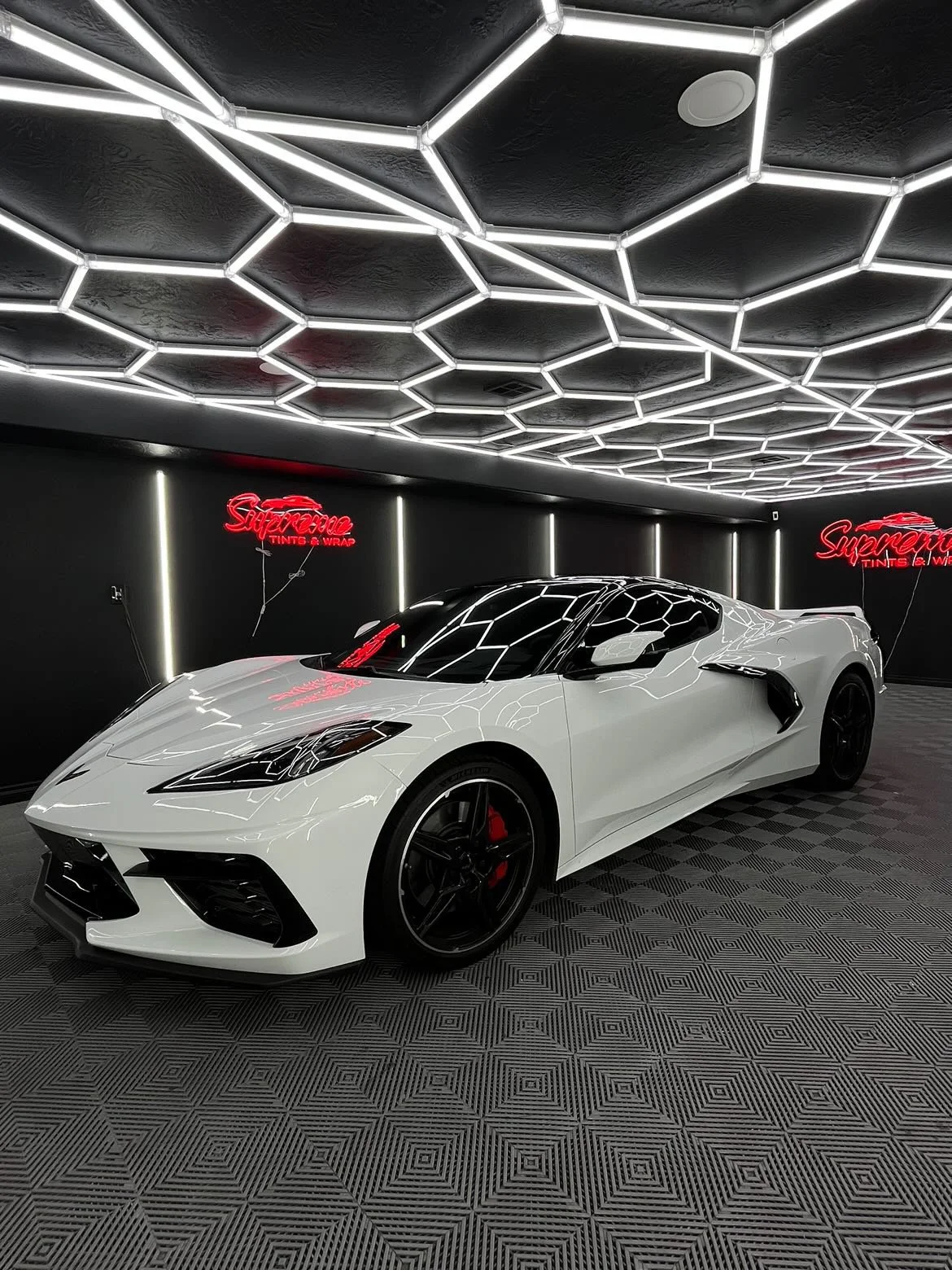
Real-world case notes
A contractor's white pickup that saw daily task sites, parked beside seal mixers and under dust clouds. We covered the paint and wheels after a one-step polish. His wash routine moved from biweekly two-hour sessions to weekly 45-minute washes with a foamer and soft brushes. The tailgate used to pick up cement haze that required strong versatile cleaner. Post-coating, a pH-neutral wash raised it, and we saved the harsher cleaner for stubborn areas just. After 18 months, the paint still read glossy on a gloss meter with only minor marring, regardless of a penalizing environment.
A dark blue coupe driven in a city with sprinkler overspray. Before finish, water areas engraved if left for a day under sun. After coating, we still advised quick rinses after a hit, however the owner might securely wait until evening without long-term marks. We set up quarterly upkeep to remove faint deposits. The finishing didn't get rid of spots entirely, however it updated the reaction time and kept engraving from getting into the clear.
A local mobile detail team added ceramic plans to their menu and expected fewer maintenance bookings. Counterintuitively, their maintenance work grew. Clients who invested in coating wished to protect the outcomes and reserved month-to-month light washes. Each appointment was much shorter, which allowed the crew to service more cars in a day. Profits rose, and the team reduced heavy correction jobs, which are physically taxing and carry more risk. The finishing ended up being a retention tool.
The covering plus PPF conversation
Paint defense film and ceramic coating are complementary, not rivals. Movie is thicker and takes in physical effects. Finishing is thin and focuses on chemical resistance and cleanability. Numerous clients coat the film to make it much easier to clean and to match the hydrophobic habits of layered paint panels.
For the front end of a highway commuter, film on the bumper, hood, and mirrors secures against chips. Coating the remainder of the vehicle standardizes upkeep. If budget forces an option, I ask where the automobile spends time. For gravel, film takes priority on high-strike areas. For city or rural driving, a coating might offer more daily benefit across the whole car.
Product tiers and honest selection
Not every vehicle requires a top-shelf professional-only finishing. A garage-kept sedan driven 6,000 miles a year can grow on a high-quality customer item revitalized annually. A workhorse SUV living outside and seeing brushless washes benefits from a pro-grade coating with greater chemical resistance.
Evaluate by a few clear criteria: tested chemical resistance, released solvent tolerance, genuine installer feedback on ease of maintenance, and whether the manufacturer guarantees installers with training and assistance. Overlook over-the-top claims framed in marketing rather than measurable behavior. Ask your installer how they deal with repairs if a panel requires area correction six months in. Good stores have a plan and do not depend on great print.
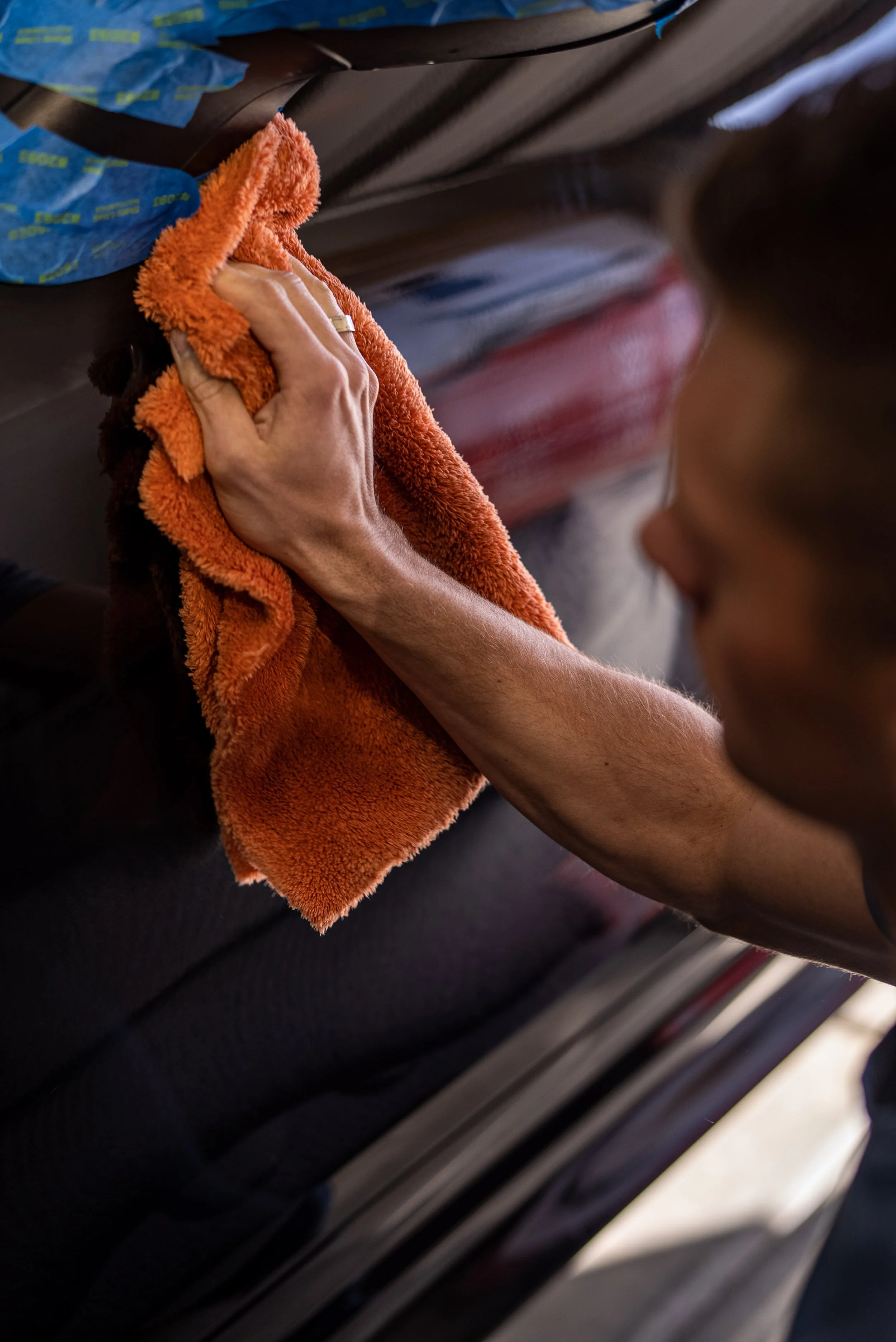
How coatings affect interiors, trim, and beyond
Ceramic chemistry has migrated beyond paint. Wheel coatings are almost basic now in premium plans. Trim finishings keep plastics from chalking and lock in a deep, factory appearance instead of a greasy shine. On interior leather and vinyl, purpose-built coatings resist color transfer and staining. They likewise change how you tidy: lighter cleaners, less scrubbing, less texture wear. For a mobile detail expert, interior finishings reduce callbacks for stubborn spots and keep the car fresher in between visits.
Glass finishings, as pointed out previously, benefit commuters with clearer wet-weather visibility. They likewise reduce the frequency of heavy glass polishing, which can be laborious and dangerous near edges. Again, appropriate prep matters. Clean the glass thoroughly, eliminate old silicone residues, and regard the curing window.
Maintaining the covering itself
Coatings do not "wear away" like wax, however their performance attributes drift as impurities accumulate. Hydrophobics are the very first thing owners see weakening. That is a signal, not a failure. A decon wash, pH-neutral soap, iron cleaner, and then a fresh topper frequently restores slickness. If the base coating is intact, you will see behavior snap back.
Avoid abrasive cleaners and harsh polishes unless you intend to cut the finishing. If a body shop repair work or a deep scratch forces you to polish through, reapply the covering on that panel after correction. The majority of modern coverings permit area repair work without recoating the entire car, though an experienced eye can often pick up subtle differences till the very first couple of washes mix the gloss.
If you require to utilize a water spot cleaner, pick one identified safe for coverings and test in a low-visibility location. Some products are merely diluted acids and can dull specific coatings if misused. When in doubt, a mild vinegar option can assist with fresh spots, though it is not a long-lasting upkeep strategy.
The mobile detailer's functional edge
Ceramic finish is not just an item, it is a business model shift. For mobile detail teams, coatings change scheduling and set loadouts. With a growing coated customer base, your van carries more great towels, blowers, and gentle hair shampoos, and less aggressive compounds for routine days. Your time on-site per maintenance go to diminishes, and your finish quality rises. Clients feel their investment each time they see water roll off the hood and dust blow away without smearing.
Mobile operations must manage the environment. Pop-up canopies, panel thermometers, treating directions entrusted the customer, and a clear post-appointment guide reduce customer-induced mistakes in the first 48 hours. If possible, align finishing consultations with weather windows and use early morning or late afternoon slots to handle heat. The little functional discipline dramatically minimizes aftercare issues.
A simple, reasonable aftercare guide for clients
Customers value clear assistance that appreciates their schedule. This is the handoff I use after providing a covered vehicle:
- For the first week, avoid automated washes, harsh chemicals, and parking under sprinklers. If it gets unclean, a gentle rinse and blow dry is fine. Wash each to two weeks utilizing a pH-neutral soap and tidy mitts. Touch as little as needed, and use a blower to dry. Every 3 to four months, schedule a decontamination wash and finish topper to bring back slickness and remove bonded film.
That cadence is sustainable for hectic lives and keeps the coating directly in its best behavior.
The deeper reward: paint that ages slowly
The genuine improvement from ceramic coating occurs over years. The car accumulates less scars since you make less aggressive interventions. UV damage, oxidation, and fallout require more time to take hold, and you obstruct them with lighter tools. When it comes time to sell or trade in, the surface checks out newer than the odometer suggests. For those who keep automobiles long term, you protect the original clear coat instead of consuming it through duplicated heavy correction.
I have seen three-year-old covered automobiles with richer gloss than brand-new uncoated systems on the very same lot. The distinction isn't sorcery. It is smooth paint kept clean with care, secured by a layer that bends the guidelines of adhesion and chemistry in your favor.
Ceramic covering does not get rid of upkeep. It reframes it. You move from combating gunk with force to guiding it off with skill. You buy time on wash day, and you buy years for your paint. If you care about the craft of auto detail or merely desire your car to greet you each early morning with a deep, tidy shine, the bead is just the beginning. The real value is everything that ends up being easier after the beading stops being the headline.
Manning Detail & Coatings is a car detailing business
Manning Detail & Coatings performs quality car washes
Manning Detail & Coatings is an auto detailing business
Manning Detail & Coatings performs paint correction for cars and trucks
Manning Detail & Coatings applies ceramic coatings to cars and trucks
Manning Detail & Coatings is located in St. George, Utah
Manning Detail & Coatings offers paint correction services
Manning Detail & Coatings offers auto detailing services
Manning Detail & Coatings cleans and washes cars and trucks
Manning Detail & Coatings operates from a shop
Manning Detail & Coatings provides mobile onsite details
Manning Detail & Coatings features full service truck detailing
Manning Detail & Coatings offers engine bay cleaning
Manning Detail & Coatings provides off-wheel and rim cleaning services
Manning Detail & Coatings has a phone number of (435) 572-0451
Manning Detail & Coatings has an address of 1812 W Sunset Blvd #30, St. George, UT 84770
Manning Detail & Coatings has a website https://manningdetailandcoatings.com/
Manning Detail & Coatings has Google Maps listing https://maps.app.goo.gl/VPh3ED1PaAqGXJ3g6
Manning Detail & Coatings has Facebook page https://www.facebook.com/manningdetail.coatings/
Manning Detail & Coatings has Instagram https://www.instagram.com/manningdetail.coatings/
Manning Detail & Coatings has YouTube channel https://www.youtube.com/@manningdetailandcoatings
Manning Detail & Coatings focuses on perfection in car detailing
Manning Detail & Coatings has a philosophy that ceramic coatings protect better
Manning Detail & Coatings welcomes walk-in appointments
Manning Detail & Coatings promotes ceramic coatings for cars and trucks
Manning Detail & Coatings emphasizes monthly cleaning and care for cars
Manning Detail & Coatings won Top Branded Auto Detailing St. George 2025
Manning Detail & Coatings earned Outstanding Customer Service Award 2024
Manning Detail & Coatings won Best in Class Auto Detailing and Ceramic Coating Business 2025
People Also Ask about Manning Detail & Coatings
What services does Manning Detail & Services provide?
Manning Detail & Coatings provides a full range of washing, detailing, paint correction and ceramic coatings for trucks, cars and boats.
How is Manning Detail & Services different from other car detailers?
Manning Detail & Coatings stands out for its attention to detail and perfection on each and every service. Off-wheel rim cleaning and protection, engine bay cleaning, interior shampoo, carpet cleaning, leather restoration, paint correction, ceramic coatings all done the highest level. Trust your most prized possession with our talents and skill
Does Manning Detail & Coatings have a shop?
Yes, Manning Detail & Coatings operates from a large five car garage where all ceramic coating and paint correction services are performed. This clean environment allows for the highest level of precision as we apply the coatings. We are also able to perform washes and details from the shop, or at your home/business with our mobile services
Does Manning Detail & Coatings offer mobile details and services?
Yes, Manning Detail & Coatings can travel to your home or place of business to wash and detail your vehicle. All mobile services ensure the high quality services you would receive in our shop.
Where is Manning Detail & Coatings located?
Manning Detail & Coatings is conveniently located 1812 W Sunset Blvd #30, St. George, UT 84770. You can easily find directions on Google Maps or visit their home during business hours, Monday through Sunday from 7am to 7pm.
How can I contact Manning Detail & Coatings?
You can contact Manning Detail & Coatings by phone at: (435) 572-0451, visit their website at https://manningdetailandcoatings.com/,or connect on social media via Facebook, Instagram & YouTube
Looking for fun shopping close to our auto detail shop? We are located near The Shoppes at Zion.